
What Do I Need to Travel Internationally? A Practical Guide to Getting Your Documents Together
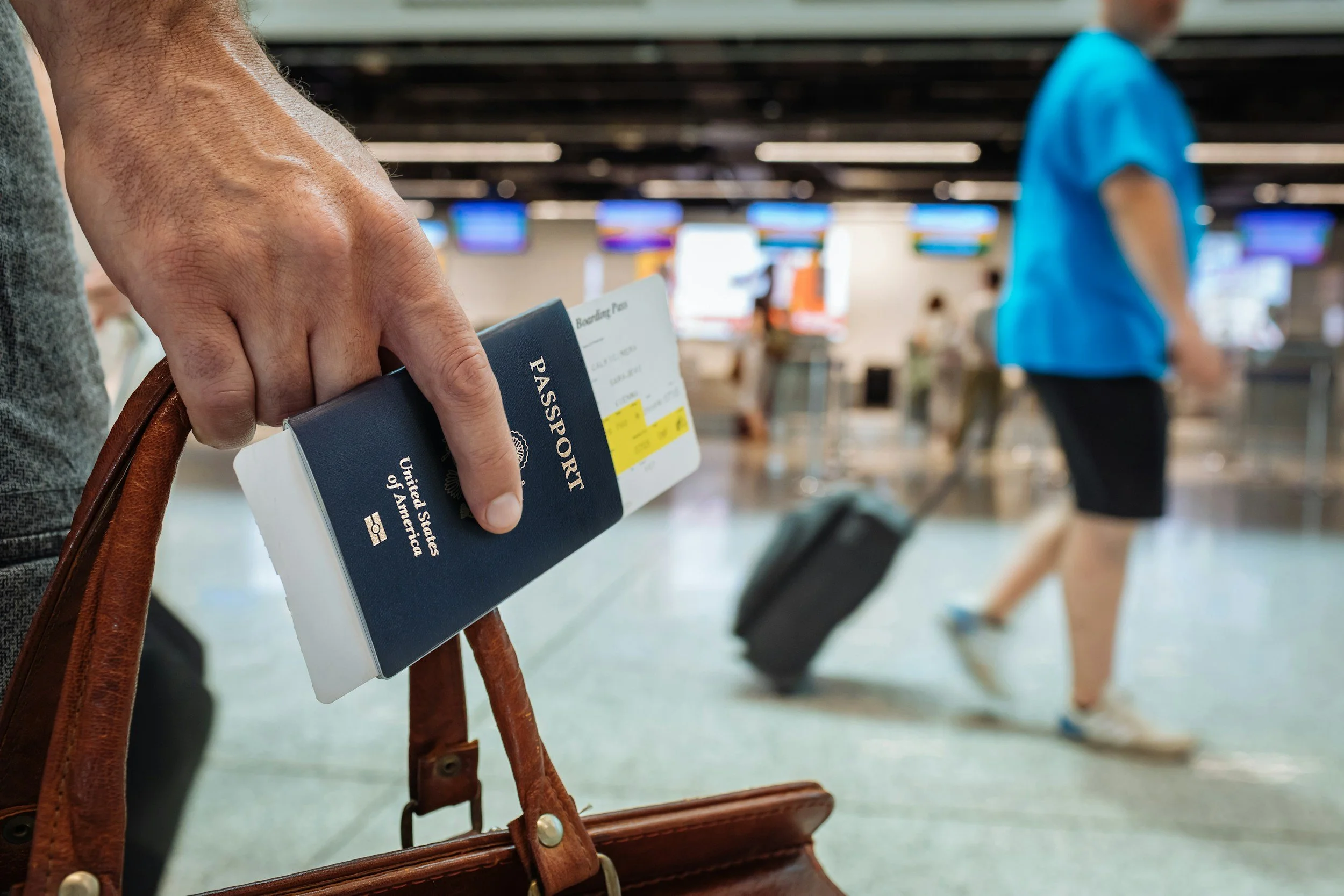
International travel is exciting right up until you realize your passport is expiring, your name doesn’t match your documents, and you have no idea whether you need a visa. If you’re planning a trip abroad, the best thing you can do is get your paperwork in order early.
The truth is, international travel prep is not hard — but it does require attention to detail. A little planning now can save you from major stress later.
Here are the most important things travelers should review before heading overseas.
1. Check your passport expiration date
Many destinations require that your passport be valid for at least six months beyond your travel dates. Even if your passport is technically still valid, that may not be enough for entry.
If your passport is close to expiration, renew it as soon as possible. Processing times can vary, and waiting until the last minute is rarely a winning strategy.
2. Make sure your name matches across all documents
Your airline ticket and travel documents should match your government-issued ID exactly. If your passport has one name and another document reflects a maiden name or married name, that can create delays or problems.
If your legal name has changed, it’s wise to keep supporting documentation accessible.
3. Bring supporting identification when needed
Depending on the destination, the type of trip, or a specific travel situation, it may be helpful to have additional documentation available, such as:
Government-issued photo ID
Certified long-form birth certificate
Marriage license or legal name change document
These are especially important if there is any difference in names across documents or if additional identity verification may be required.
4. Understand visa requirements
Some countries require travelers to obtain a visa in advance, while others allow entry without one for short stays. Requirements vary based on your citizenship, destination, and purpose of travel.
Do not assume that because a friend traveled there, your requirements will be the same. Always verify the current entry rules for your exact itinerary.
5. Know whether an ETIAS or other travel authorization applies
Some destinations may require a travel authorization in addition to a passport, even when a traditional visa is not required. For European travel, many travelers are hearing about ETIAS, which is a travel authorization system tied to certain future entry requirements.
Because implementation timing and requirements can change, travelers should confirm what applies to their trip well before departure.
6. Don’t wait until the month before travel
If you need a passport renewal, visa, or corrected documentation, start several months ahead of your departure date. International travel rewards early planners.
A good rule of thumb: once you’ve chosen your trip, document prep should begin right away.
7. Keep both digital and printed copies
Before you leave, keep copies of:
Passport photo page
Travel insurance information
Flight and hotel confirmations
Visa or travel authorization confirmations
Emergency contacts
Store one digital set securely and keep one printed copy separate from your originals.
Final thoughts
Great trips start long before the airport. When your passport is valid, your documents match, and you understand your entry requirements, you can focus on the fun part — the journey itself.
If you’re planning international travel and want help making sure all the moving parts are aligned, We help travelers move beyond the chaos and into well-designed, well-prepared experiences.